Cybersecurity Services
AI vs AI: How Artificial Intelligence Is Changing the Cybersecurity Battlefield
- Written by
Monika - Posted on
October 8, 2025
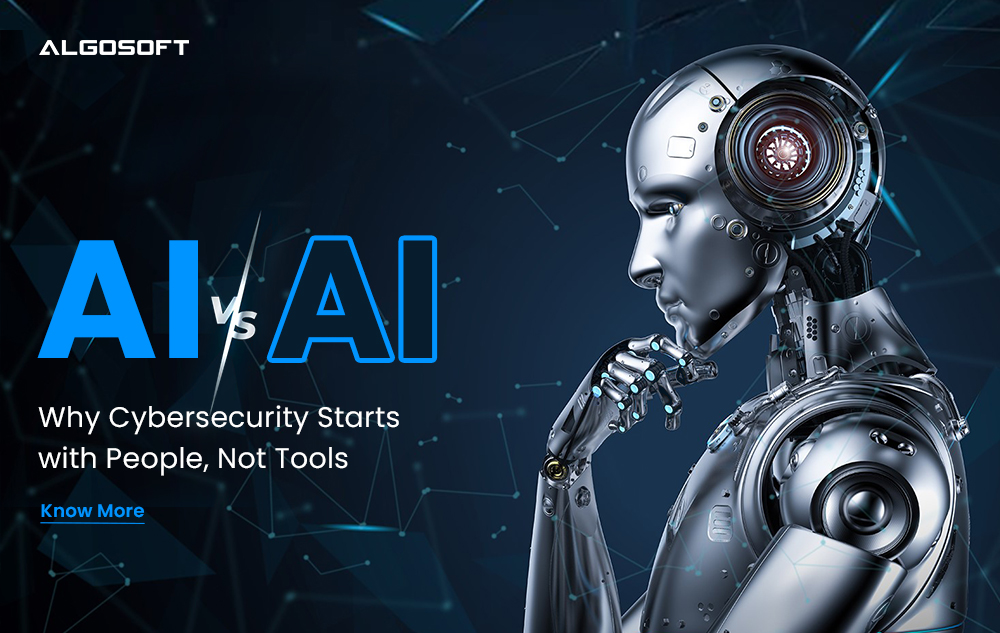
In our rapidly evolving digital landscape, the battle for cybersecurity is more intense than ever. Cyber threats are becoming increasingly sophisticated, pushing organizations to seek advanced solutions. Enter artificial intelligence (AI), a game-changer poised to reshape the battlefield. With its ability to analyze vast amounts of data and identify patterns in real time, AI offers unmatched potential in combating cybercrime.
From predicting attacks before they happen to automating responses that once required human intervention, AI technology is revolutionizing how we protect sensitive information and maintain system integrity. But what does this mean for businesses relying on cybersecurity services? As AI continues its relentless march forward, understanding its role and impact becomes crucial for any company looking to safeguard their assets effectively.
Join us as we explore how AI is transforming the cybersecurity realm—both as an ally against hackers and a challenge in itself. Whether you’re a seasoned IT professional or just beginning your journey into the world of cybersecurity, this examination will shed light on the future of protection in our digitally connected society.
Artificial Intelligence has made remarkable strides in enhancing cybersecurity measures. Advanced machine learning algorithms can now analyze vast amounts of data in real time. This capability allows for quicker detection of unusual patterns that may indicate a security threat.
Additionally, AI-driven systems are becoming adept at predicting potential vulnerabilities. By simulating attacks, these tools help organizations fortify their defenses before an actual breach occurs.
Natural Language Processing (NLP) is another exciting advancement. It aids in analyzing and interpreting the massive influx of information from various sources, streamlining decision-making processes for cybersecurity teams.
Automated response mechanisms powered by AI are also on the rise. These systems can neutralize threats almost instantaneously without human intervention, significantly reducing response times during critical incidents.
With continual improvements in neural networks and deep learning technologies, the future holds even greater promise for AI applications within cybersecurity frameworks.
AI brings a transformative edge to cybersecurity that traditional methods often lack. It processes vast amounts of data at speeds unattainable by human analysts. This enables quicker threat detection and response.
Machine learning algorithms can identify patterns in user behavior, flagging anomalies with precision. Traditional systems may rely on predefined rules, which can miss evolving threats.
Moreover, AI adapts over time. As it encounters new types of attacks, it learns and improves its defenses automatically. Traditional approaches require constant manual updates, leaving gaps in protection during the lag period.
The ability to predict potential vulnerabilities is another significant advantage of AI. Instead of just reacting to breaches after they occur, organizations can proactively strengthen their security postures.
Automation reduces the burden on human resources. Cybersecurity teams can focus on strategic initiatives rather than getting bogged down with routine monitoring tasks.
While AI offers transformative potential in cybersecurity, it’s not without risks. One major concern is the reliance on algorithms that can be manipulated. Cybercriminals may find ways to exploit vulnerabilities in AI systems, turning their strengths against them.
Moreover, the complexity of AI models makes them opaque. This lack of transparency can lead to difficulties in understanding why certain decisions are made, complicating incident responses and risk assessments.
Another challenge lies in data privacy. Training AI requires vast amounts of data, often including sensitive information. Mishandling this data could lead to breaches or misuse.
Over-reliance on automation poses a significant threat. Human oversight remains crucial for nuanced decision-making and context understanding that machines simply can’t replicate yet. Balancing machine efficiency with human intuition is essential as we navigate this evolving landscape.
AI is already making waves in the cybersecurity landscape through practical applications. For instance, companies like Darktrace utilize machine learning to create self-learning systems. These systems detect anomalies within network traffic, adapting in real-time to emerging threats.
Another notable example is IBM’s Watson for Cyber Security. This AI-driven platform analyzes vast amounts of data from security incidents and can identify potential vulnerabilities before they are exploited.
Meanwhile, Microsoft has integrated AI into its Azure Sentinel service. It aggregates security data from various sources, prioritizing alerts based on threat intelligence and past attack patterns.
These instances showcase how AI not only enhances detection capabilities but also streamlines response efforts for cybersecurity services companies. By leveraging these technologies, organizations can significantly reduce their risk profile amidst an evolving digital threat landscape.
As AI technology continues to evolve, its integration into cybersecurity will deepen. Algorithms will become more sophisticated, enabling faster detection of threats. This speed could drastically reduce response times.
We might see predictive capabilities that anticipate cyberattacks before they occur. Such advancements could shift the focus from reactive measures to proactive strategies.
Moreover, Machine Learning models may adapt in real-time based on new data. This adaptability will be crucial as cybercriminals develop increasingly complex tactics.
Collaboration between AI systems across organizations could emerge next. Sharing intelligence and insights will enhance overall security posture industry-wide.
Ethical considerations surrounding AI use in cybersecurity must also gain attention. As reliance on automated systems increases, ensuring fairness and transparency becomes vital for trustworthiness in this field.
The digital landscape is evolving rapidly, and so are the threats that come with it. While AI offers remarkable capabilities in detecting and responding to cyber risks, human intuition remains irreplaceable.
Cybersecurity isn’t solely about technology; it’s also about understanding context and nuance. Humans can interpret complex situations with empathy and experience—qualities that machines lack.
Moreover, as AI systems learn from data, they may inadvertently reinforce biases or miss subtleties in emerging threats. This underscores the need for skilled professionals who can oversee these technologies.
A successful cybersecurity strategy must integrate both elements: advanced algorithms paired with expert human oversight. This partnership fosters a proactive approach to safeguarding sensitive information while navigating an increasingly sophisticated threat landscape.
Striking this balance will be critical as organizations seek effective solutions against ever-evolving cyber challenges.
Take your business to new heights by offering unmatched mobility to your customers!


In today’s digital-first business landscape, Customer Relationship Management ..

As Australian businesses continue to embrace digital transformation, cloud migra..
Introduction to the current state of cybersecurity In a world where our lives ar..
Introduction to Cybersecurity and its Importance in Business In today’s digita..
Imagine waking up to find that your personal data has been compromised or that a..

Introduction to Cyber Attacks Cyber attacks are a persistent threat in our incre..
Introduction to Cybersecurity and Its Importance Cybersecurity is a buzzword tha..
Introduction to the article and why it’s important for Australian business..
Introduction to Cybersecurity and AI in Australian SMEs As the digital landscape..
If you have a project in mind, let’s talk.
Share this article